

從新創公司到《財星》百大企業,超過 170,000 個團隊* 信賴 Asana









Asana 與 Jira 相比如何?
功能
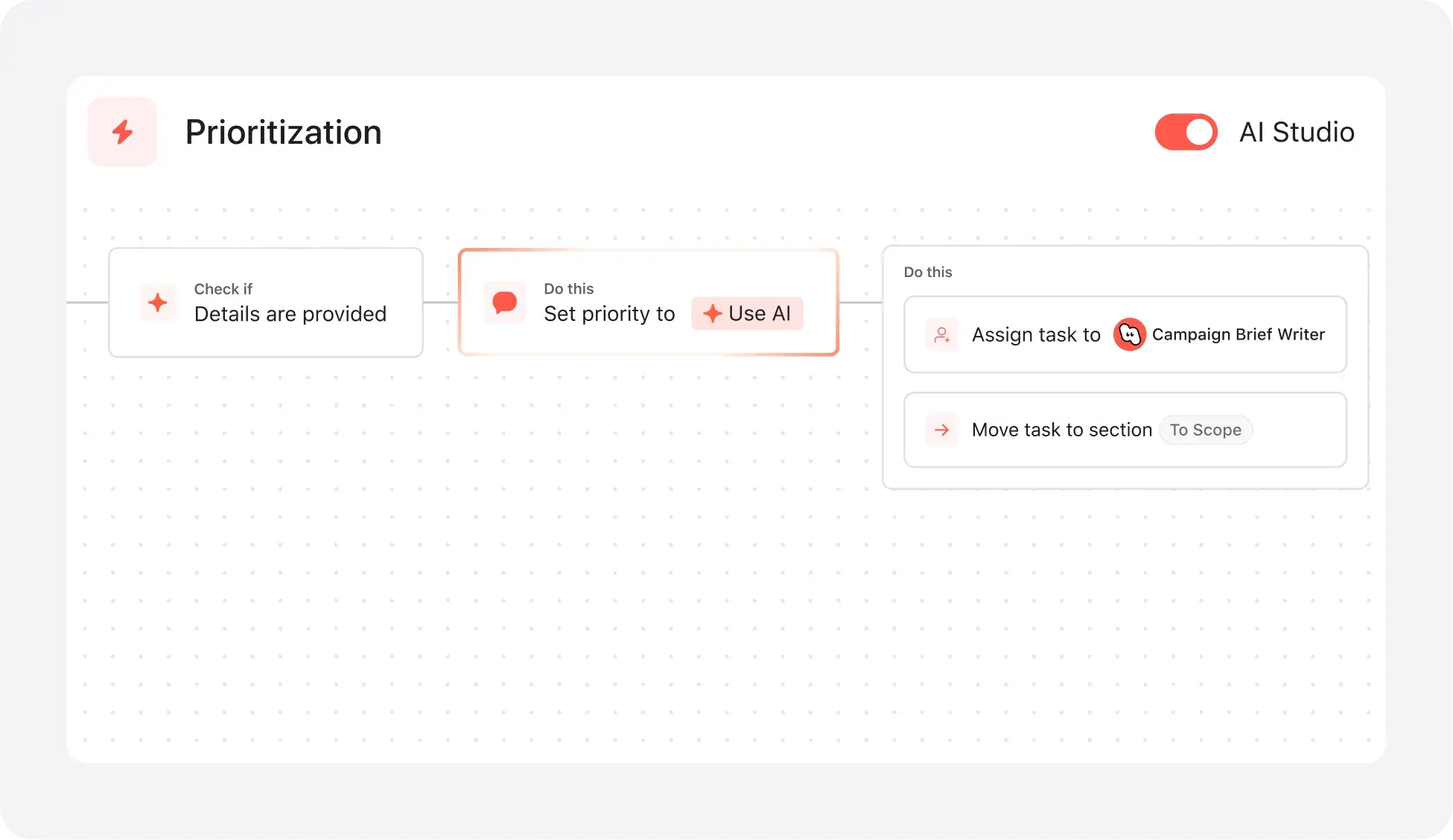
為團隊打造的人工智慧
Asana AI 隊友是由 Work Graph 提供支援的 AI 代理,因此他們從第一天起就瞭解您團隊的目標、專案和相依性,且每個 AI 動作都是可查看且可稽核的。 深入瞭解。
400 多項原生整合,用於實現工作相互連結
Asana 提供 400 多項原生、第一方整合,涵蓋 Slack、Microsoft Teams、Google Drive 及 Salesforce 等熱門工具,讓團隊能夠跨部門連結工作流程,並有效地擴展協作。 深入瞭解
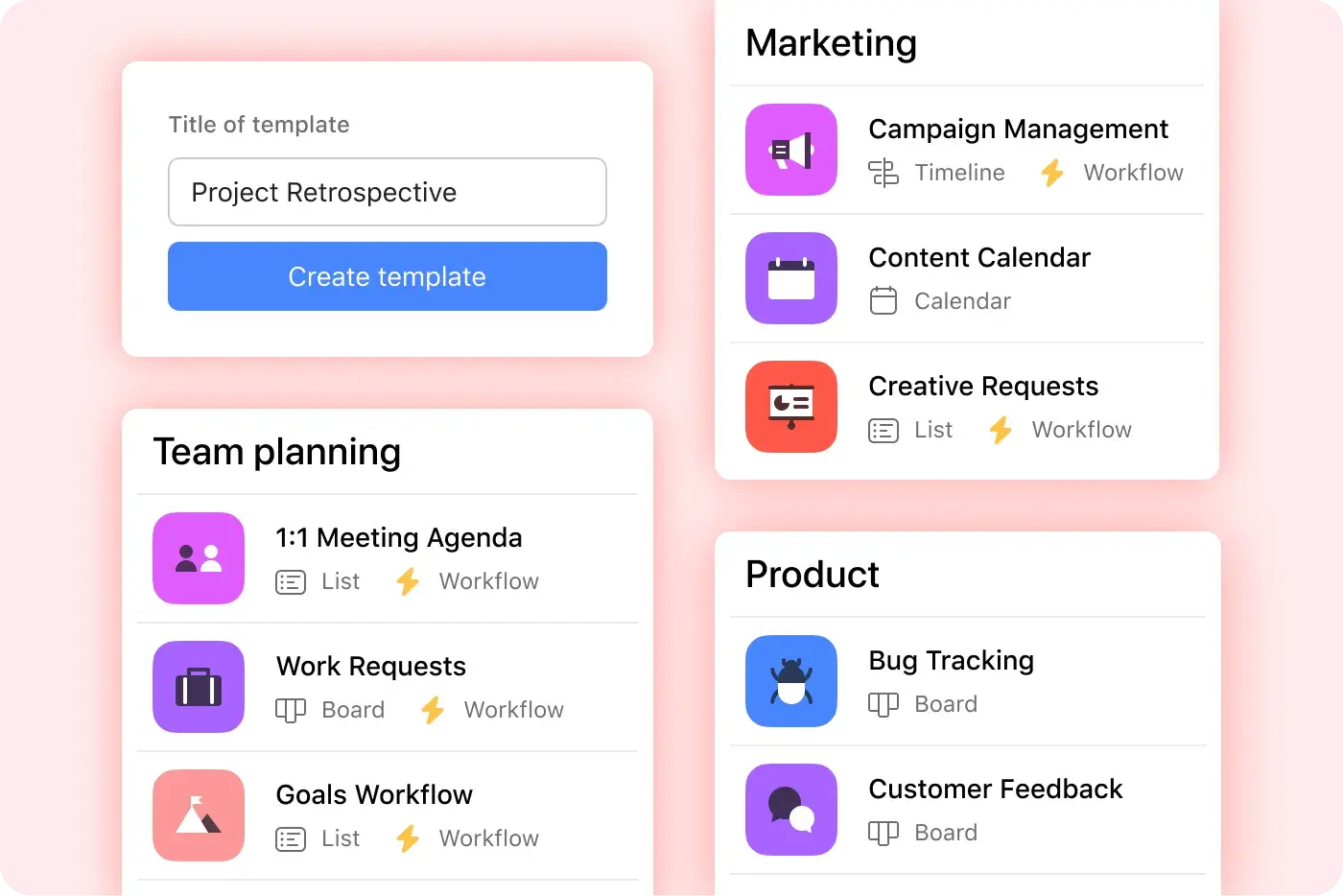
專案與工作流程自訂
Asana 提供結構清晰、易於使用的自訂功能,包括自訂欄位、多種專案檢視方式和範本,使團隊能夠快速適應並有效管理工作流程,而不會增加複雜度。 深入瞭解
跨專案歸屬
為團隊建立一個參考中心,以便在您朝公司目標邁進時實現更高的效率。
進階目標與報告
AI強化目標,可無縫標準化、可視化、管理和報告組織策略的執行情況。Asana為您提供即時可視度,並讓您將公司目標與賦予其力量的工作連結起來。
單一平台,透明定價
Asana 方案具有透明度,符合總體擁有成本要求。無需額外軟體,100% 統一價格。
企業級平台
Asana 提供一個統一且易於使用的平台,具備無上限自動化、廣泛的整合支援以及全組織範圍的標準化功能,使團隊能夠在不增加營運複雜度的情況下有效地擴展。 深入瞭解
我們的客戶為什麼偏好 Asana


I find Asana incredibly valuable for managing product teams, planning, and handling daily tasks due to its user-friendly interface, which is a significant improvement over my team's previous experience with Jira.
I love the ease of use that Asana offers, making it simple to set up boards and manage projects. … Compared to Jira, Asana's streamlined project management strongly appeals to me as a designer.

「Asana 使 ORK 的管理和追蹤變得輕鬆容易。」 我們全公司都知道關鍵的優先事項是什麼,並可相應地計劃、追蹤和報告工作。 它提高了我們的效率,故我們可以更快地執行和擴展工作。」
- Dian Rosanti,產品管理部門

「隨著 Zoom 的發展,我們需要一套標準化的檢視來查看所有正在進行的工作,以便我們確定工作的優先順序並做出業務決策。」 我們需要在工作的完成方式上實現可視度、當責、一致性以及跨團隊的知識共享。
- 安全主管 Ariel Chavan
Asana 透過彈性、可擴展的工作流程為團隊提供動力
探索 Asana 如何協助各種規模的團隊在一處位置自訂專案、連結工具並報告進度。



![[比較 - Monday] 功能標籤頁 (整合和可擴展性)](https://assets.asana.biz/transform/2090e635-5343-4f52-a1ee-4e4a04a8f67e/compare-monday-fy26-features-integrations?io=transform:fill,width:2560&format=webp)
AI your whole team can actually use
Asana AI Teammates understand your goals, projects, and dependencies from day one—Jira’s AI is siloed within technical tickets, missing the cross-functional context of your business goals.
Asana AI Teammates build shared memory that compounds across your whole team—Atlassian Intelligence focuses on summarizing issues rather than maintaining a persistent "brain" for your organization.
Every AI action is visible in your activity log, just like a human teammate—Jira often attributes AI suggestions to the user who accepted them, creating accountability gaps.
Simple project & workflow tools for everyone
With Asana, users can launch new projects in minutes by choosing from multiple project views and applying templates that match their workflow—no IT support needed.
Clear, visual task assignments, due dates, and project milestones are accessible to all team members in Asana, making it easy to track progress and collaborate in real time.
Jira’s project creation and workflow customization are optimized for technical teams, often requiring more setup and technical expertise, whereas Asana supports broad adoption by non-technical users with in-product guidance and intuitive templates.
Connect 400+ integrations for scalable workflows
Asana 可與 400 多個應用程式連結,包括 Slack、Google Workspace、Salesforce 和 Tableau,讓團隊能夠將交接工作自動化,並將工作集中管理於同一處。
團隊將 Asana 連結至行銷、分析和 IT 工具,從而減少手動更新的次數,並確保工作內容保持同步。
Jira’s application ecosystem is more technical, often requiring advanced configuration, while Asana provides business-optimized integrations that are easy to set up and automate without IT support.
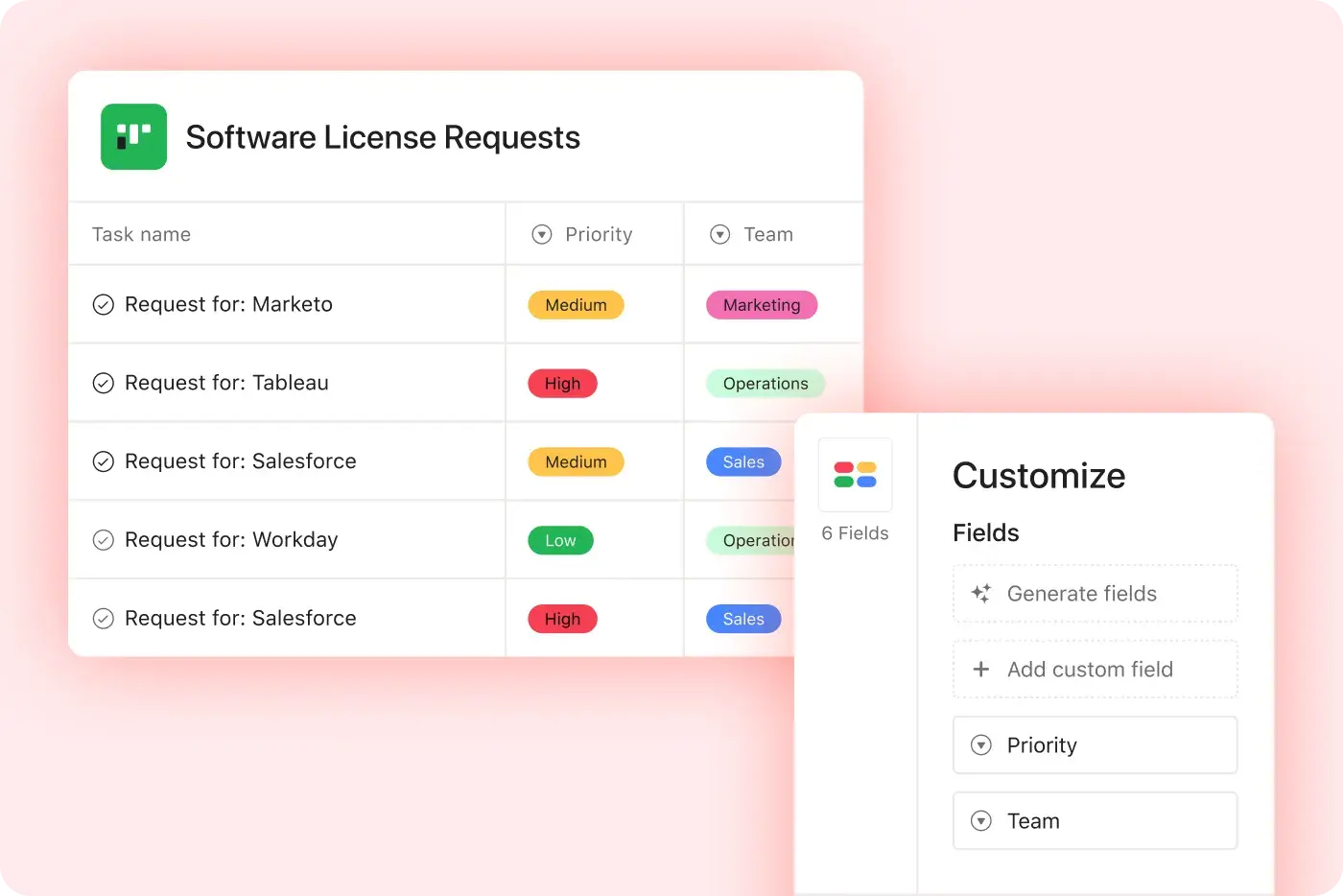
Personalize with custom fields and templates
Asana 可讓各種規模的團隊在任何專案中新增無限制的自訂欄位,例如優先順序、階段或管道,以便追蹤並以視覺化方式組織任務。
在 Asana 中,團隊可以立即對任務進行顏色編碼、篩選及排序,讓每個專案的管理都變得清晰且可據以行動。
Jira relies on more technical configuration for customization, while Asana provides personalization with reusable custom fields and templates that keep workflows consistent across projects.
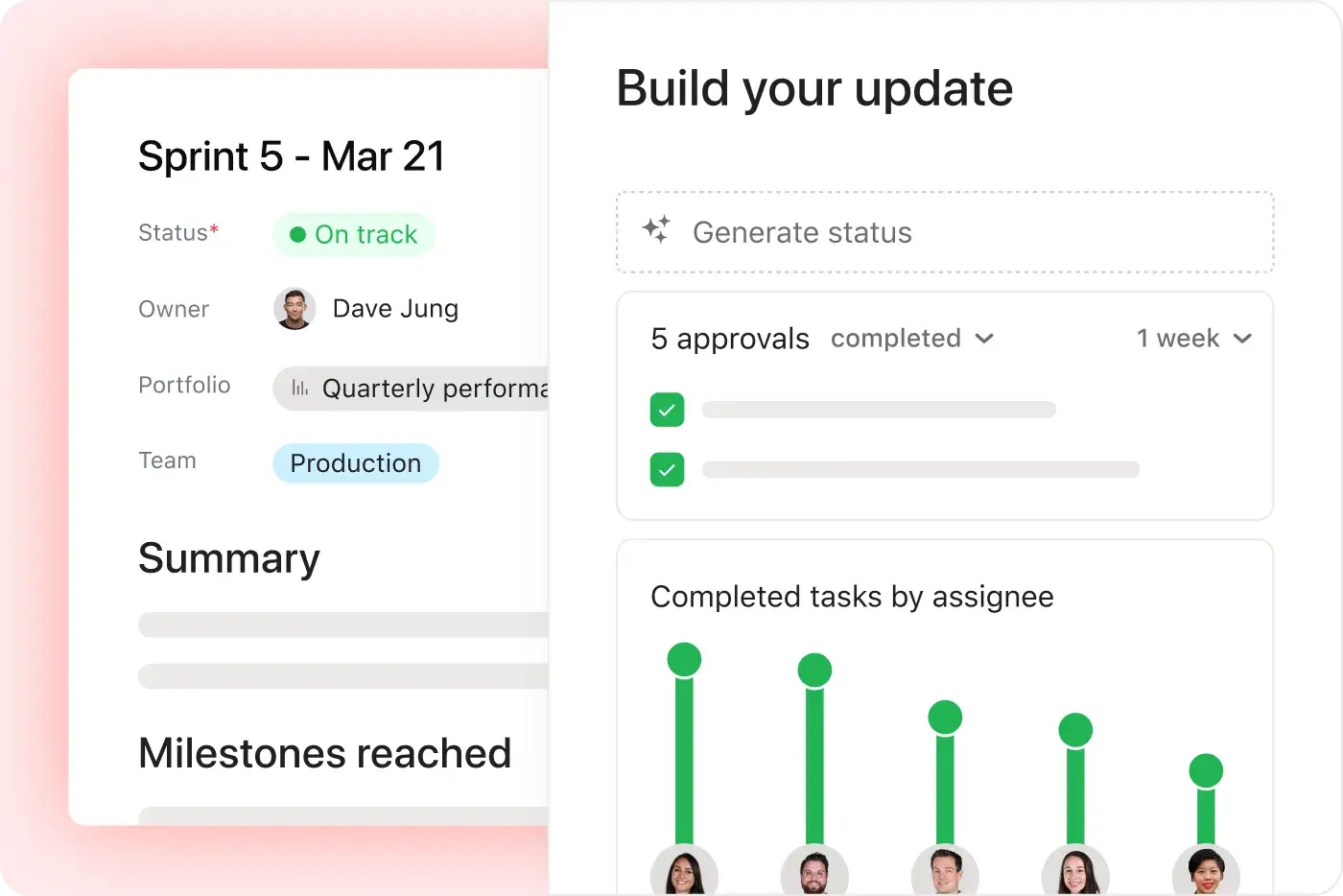
Collaborate with integrated conversations & files
Asana 透過原生任務評論、專案訊息和結構化狀態更新,將所有專案溝通整合在一起,因此團隊可以即時進行協作,而無需在工具之間切換。
檔案、回饋和對話會直接連結至任務和專案,讓您輕鬆追蹤進度、釐清後續步驟,並確保每個人都能保持資訊同步,即使團隊擴大或跨部門合作也是如此。
Jira often requires integration with other Atlassian tools or add-ons for broader collaboration, while Asana provides built-in communication features and direct integrations with Slack and Google Drive to centralize teamwork.



常見問題
How easy is it for my team to switch from Jira to Asana?
Switching from Jira to Asana is straightforward for teams of all sizes, thanks to Asana’s intuitive interface and robust onboarding resources, including step-by-step migration guides and in-product education through theAsana Academy. Teams can quickly import projects and tasks, learn new workflows, and start collaborating without the need for technical administrators or complex setup. Guides on creating tasks in Asana help teams adopt best practices immediately.
Jira is often described as having a steep learning curve and requiring more admin involvement, which can slow down adoption and increase migration anxiety. Asana’s project management features help teams maintain structured workflows, collaborate across departments, and adopt advanced features quickly, allowing teams to stay productive without relying on IT support.
What resources are available for training and ongoing support?
Asana offers a full range of training and support resources, including the Asana Academy for on-demand courses, a comprehensive Help Center, and live support options for all users. These resources are designed to help teams of any size quickly learn, troubleshoot, and optimize their use of the project management platform, regardless of technical background.
Jira’s support ecosystem is often more complex and less accessible for smaller teams. Asana’s structured learning and responsive support make ongoing training straightforward and approachable, allowing teams to get answers quickly, improve project management skills over time, and maintain productivity without relying heavily on IT support.
How does Asana handle onboarding for mixed technical and business teams?
Asana is designed for rapid onboarding across both technical and business teams, with an intuitive interface and in-product education that help everyone get started quickly—no technical administrator required. Flexible workflows and clear project management features make it easy for marketing, operations, and engineering teams to collaborate from day one, regardless of their background, supported by resources like the getting started guide.
Jira is often tailored for software development teams and can require more technical setup, making onboarding less accessible for non-technical users. Asana’s structured approach, cross-functional support, and accessible onboarding resources allow all team members to start managing projects efficiently from day one.
Can I import my existing projects and data into Asana?
Yes, you can import your existing projects and data into Asana using built-in import tools for CSV files, Jira, and other platforms, with step-by-step guidance available in the Help Center. This makes it straightforward for teams—including those moving from Jira—to bring their project management data into Asana without manual re-entry or data loss, supporting a smooth onboarding experience for both technical and non-technical users.
Jira typically requires more manual migration steps or technical expertise, while Asana provides dedicated import resources and onboarding support through features like project importing and exporting and CSV import.
How does Asana help teams get up to speed quickly?
Asana helps teams get up to speed quickly by offering an intuitive user interface, built-in onboarding resources, and ready-to-use templates that require no technical admin support. This approach enables teams—including those new to project management software—to start organizing projects, assigning tasks, and collaborating right away, with in-product education and help articles available at every step.
Jira often requires more setup time and administrative involvement before teams can begin managing projects, making Asana a faster choice for organizations seeking rapid adoption and immediate value.
What types of integrations does Asana offer for business teams?
Asana offers over 400 integrations with leading business tools, including Slack, Google Drive, Microsoft Teams, Salesforce, and HubSpot, allowing teams to automate workflows and centralize work in one platform. These integrations are designed for easy setup, enabling business teams to connect their project management software directly to the apps they use every day without relying on technical add-ons or complex configurations.
Jira focuses on developer-centric integrations and often requires more technical setup or marketplace add-ons for many business use cases. Asana prioritizes out-of-the-box connections for marketing, sales, operations, and cross-functional teams, making it easier for non-technical users to streamline collaboration and manage workflows efficiently.
How does Asana’s automation compare to Jira’s?
Asana enables any team member to automate workflows using no-code rules and AI-powered features, making project management automation accessible to non-technical users. You can set up triggers, conditions, and actions visually through workflow automation and AI Studio, without the need for scripting or developer support.
Jira often requires technical expertise or add-ons to configure automations, which can create barriers for business teams and smaller teams without dedicated IT resources. Asana’s visual and no-code approach allows all team members to implement rules efficiently, saving time and enabling consistent project management across teams.
Can Asana integrate with Jira for cross-functional workflows?
Yes, Asana integrates directly with Jira Cloud to enable two-way sync, automation, and real-time updates between business and technical teams. This integration allows tasks, status, and key project management data to flow automatically, so teams can collaborate and track work across both platforms without manual updates or information silos.
Jira typically requires manual updates or additional add-ons for cross-functional workflows. Asana’s integration is designed to bridge these gaps and support unified project management through connected apps and integrations, allowing diverse teams to work together efficiently and maintain alignment across business and technical projects.
Can I automate cross-platform workflows between Asana and other tools?
Yes, you can automate cross-platform workflows in Asana using its open API, Zapier integration, and a wide range of connected apps. This flexibility allows teams to connect Asana with hundreds of business and productivity tools, enabling automation without heavy technical setup that is ideal for both technical and non-technical users.
Jira typically requires more technical configuration or add-ons for similar automation. Asana’s low-code options and extensibility through integrations allow business teams to automate processes efficiently, reduce manual work, and maintain alignment across multiple platforms.
How does Asana help reduce tool sprawl and consolidate workflows?
Asana reduces tool sprawl by centralizing project management, collaboration, and workflow automation in a single platform, allowing teams to manage projects, tasks, and communications without switching between multiple disconnected tools. With a broad integration ecosystem, Asana connects with hundreds of business and productivity apps, so teams can streamline work and maintain a single source of truth across departments.
Jira often requires add-ons for documentation and cross-team collaboration, while Asana enables business and technical teams to collaborate and manage workflows in one place.
How does Asana make project management easier for business teams?
Asana makes project management easier for business teams by providing an intuitive interface and multiple visual project views—such as list, board, and timeline—that help teams organize, track, and adapt work without technical barriers. Teams can quickly set up projects, assign tasks, and manage dependencies or milestones, supporting both simple and complex workflows through features like custom fields and task management tools.
Jira is often complex for non-technical users and requires more setup to achieve the same level of visual clarity and flexibility. Asana’s combination of clear project visualization, structured task management, and intuitive setup enables business teams to coordinate across functions efficiently and maintain progress without relying on technical expertise.
What customization options does Asana offer for workflows and projects?
Asana gives teams the ability to customize workflows and projects using custom fields, reusable templates, and multiple project views with no technical expertise required. You can adapt project management processes quickly by adding custom fields for tracking any data, choosing from list, board, calendar, or timeline views, and applying templates to standardize work across teams.
Jira requires more extensive setup and admin involvement to achieve similar workflow customization, making Asana a more accessible choice for teams that need flexibility without added complexity.
How does Asana do visual project tracking?
Asana gives teams the flexibility to track projects visually with multiple project views, including list, board, timeline, and calendar, allowing each team to choose the format that best fits their workflow. This visual clarity is supported by customizable dashboards and reporting, making it easy for both technical and non-technical users to see project progress at a glance.
Jira centers on complex workflow configuration and often requires more technical setup than Asana, which can make visual project tracking less approachable for business and cross-functional teams.
Can Asana handle complex workflows and cross-team projects?
Asana is designed to support complex workflows and cross-team projects through advanced customization options like custom fields, automation, and multiple project views, making it easy for teams to adapt processes to their needs without technical barriers. Teams can coordinate work across departments, automate routine steps, and connect with over 400 integrations to unify tools and data, all within a user-friendly project management platform.
Jira is often seen as overcomplicated for non-developer teams, while Asana delivers a more approachable and flexible project management experience for both technical and business users.
What executive and portfolio-level reporting features does Asana offer?
Asana offers executive and portfolio-level reporting through real-time, customizable dashboards and universal reporting tools that give leaders holistic visibility across multiple projects and teams. These features enable decision makers to track progress, identify risks, and align work with strategic goals using intuitive, visually rich data visualization—without requiring technical setup.
Jira provides reporting capabilities, but its complexity and technical focus often make it harder for executives and business teams to access actionable insights as easily as they can in Asana, which is designed for clarity and speed.
How does Asana’s reporting make it easier to track project progress?
Asana makes it easy to track project progress by providing real-time, customizable dashboards and charts that automatically visualize data from your projects and tasks, so teams can see status and trends at a glance through features like reporting dashboards and portfolio tracking. These visual reporting tools are designed for clarity and ease of setup, allowing any team member—not just technical users—to create, share, and act on insights across multiple projects.
Jira offers advanced analytics, but Asana’s reporting is more accessible and user-friendly, making it easier for business and project teams to stay aligned and make informed decisions.
Can Asana’s dashboards be customized for different teams and projects?
Yes, Asana dashboards are fully customizable, allowing you to tailor charts, metrics, and views for any team or project. You can create real-time dashboards that automatically update from project data, making it easy to visualize progress and share insights with stakeholders through reporting and analytics features.
While Jira offers advanced reporting, it often requires more technical setup, whereas Asana makes dashboard customization accessible for all teams without added complexity.
What security and compliance certifications does Asana support?
Asana supports a broad range of security and compliance certifications, including SOC 2, GDPR, HIPAA (with BAA), FedRAMP, and FIPS, helping organizations meet strict regulatory requirements. These certifications are backed by robust admin controls and audit logs for secure data management, making Asana suitable for regulated industries and organizations of all sizes.
Jira restricts HIPAA compliance to its Enterprise Plan, while Asana enables government and healthcare organizations to sign a BAA for added assurance. Asana’s broad compliance support and built-in security features make it easier for teams in regulated sectors to manage sensitive data confidently.
How does Asana manage user access and permissions for secure collaboration?
Asana manages user access and permissions through advanced role-based access controls and a centralized admin console, allowing organizations to set precise permissions for every project, team, and external collaborator. This approach supports secure collaboration at scale, with customizable options for guest access and governance that are easy for both IT leaders and project managers to administer.
Jira offers more granular permission schemes, but Asana is designed to deliver comprehensive security and compliance controls without the complexity, making it accessible for teams of all sizes.
What admin controls and audit features are available in Asana?
Asana provides a centralized admin console that allows super admins and team admins to manage users, permissions, and security settings efficiently, supporting both enterprise-grade compliance and day-to-day project management needs through features like audit logs and compliance monitoring. These controls help organizations maintain visibility, accountability, and secure access across all projects, while keeping administration straightforward for IT and business leaders.
Unlike Jira, which can overwhelm with its technical depth, Asana focuses on making advanced security and compliance accessible to all teams.
與 85% 的《財星》百大企業為伍,共同使用 Asana**
**準確性僅至 2025 年 12 月,包括免費和付費使用者。